- Material
Moisture is a persistent enemy of food, jeopardizing
- By chenleping8279@gmail.com
Moisture is a persistent enemy of food, jeopardizing quality, longevity, and safety at every stage, from manufacturing to storage, international transport, and even at home. Silica gel packets have proven themselves as a dependable, food-safe method for controlling moisture, earning the trust of producers, exporters, and consumers globally.
Ⅰ. What Exactly Are Food-Safe Silica Gel Packets?
Food-grade silica gel packets are compact, permeable pouches filled with porous silica gel (SiO₂). This substance is a chemically stable, non-toxic, and odorless moisture absorber.
Unlike industrial versions, these packets meet strict food-contact standards such as FDA 21 CFR 176.170 and are free from cobalt chloride, heavy metals, and harmful additives. Their operation hinges on physical adsorption, effectively trapping water vapor. They don’t expel liquids or change shape, a quality that makes them ideal for applications within sealed food environments.
Ⅱ. Key Specifications for Food-Grade Silica Gel Packets
Knowing the essential details helps you choose the right silica gel packets that are both effective and meet your requirements:
1.Adsorption Capacity
They can absorb up to 30% of their weight in water vapor when humidity is moderate (40%–60% RH).
2.Packet Materials
These packets are made from Tyvek®, non-woven fabric, or food-grade paper; they’re breathable, leak-proof, and free of dust.
3.Common Sizes
Available in sizes like 0.5g, 1g, 2g, 5g, 10g, 14g, and 50g; the size is chosen based on the package volume and the risk of moisture.
4.Indicator Type
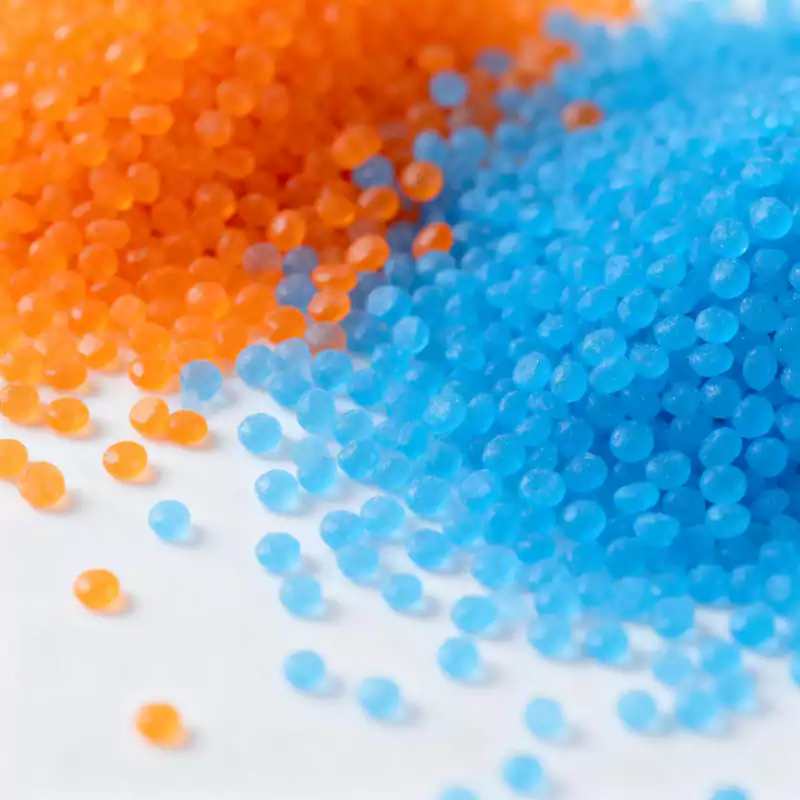
The color shifts from orange, indicating dryness, to a deep green when saturated. These indicators are cobalt-free, a feature that guarantees their safety for food applications.
5.Regulatory Compliance
They comply with FDA regulations, use food-grade ink, are BPA-free, and contain no solvent residues.
Ⅲ. Common Uses for Silica Gel Packets in Food
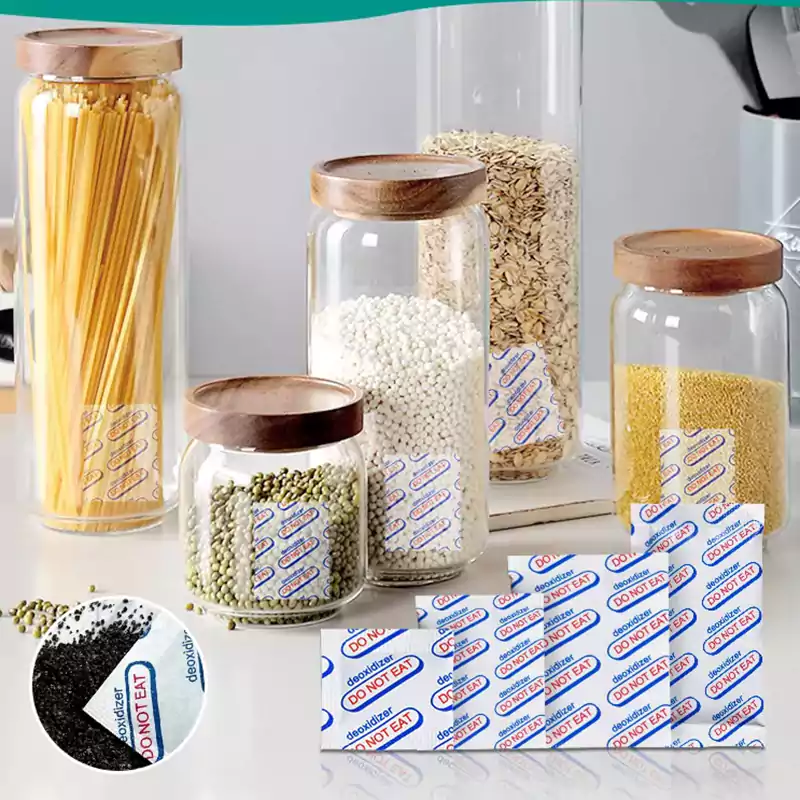
Silica gel packets are a dependable safeguard, used at every stage of the food supply chain.They find application in retail and households, appearing in items like nuts, dried fruits, snacks, cookies, spices, and coffee.
Ⅳ. How to choose a reliable food silicone bag
Here’s a straightforward method for selecting the best silica gel packets:
1. Consider the size of the package
Small sachets, ranging from 0.5 to 5 grams, are ideal for individual snack bags, pill bottles, and spice jars.
Medium sachets, weighing between 10 and 14 grams, are ideal for use in bigger bags, sealed containers, and retail packaging.
Large sachets, those weighing fifty grams or more, are perfect for filling bulk bins, shipping cartons, and storage barrels.
2. Assess the humidity level
In dry climates, standard silica gel packets, which don’t change color, are usually sufficient.
In areas where humidity runs high, like tropical climates or when shipping across oceans, it’s advisable to use silica gel packets.
3. Verify regulatory compliance
Always choose FDA-compliant, cobalt-free, food-grade silica gel packets if they will be in contact with food, either directly or indirectly.
Note: Blue silicone bags are not suitable for use in food and are toxic
4. Think about how it can be used again.
Rechargeable silica gel packets offer a practical solution for long-term storage, balancing both budget considerations and environmental concerns.(Instructions for Reusable Silicone Desiccant Pack)
Ⅴ.Best Scenarios for Use
1. Ideal for: Dry snacks, nuts, dried fruits, spices, baked goods, coffee, tea, pet food, vitamins, and foods sent internationally.
2. Not ideal: Environments characterized by intense heat or extremely low humidity are better served by molecular sieves.
3. Steer clear of fresh foods or anything with a lot of water, like fruits, vegetables, and meats.
Ⅵ. Final Thoughts
Silica gel packets provide a cost-effective, safe, and reliable method for controlling moisture in food packaging and storage. When selected and used correctly, they extend shelf life, preserve texture and flavor, reduce spoilage, and contribute to meeting food safety standards across international supply chains.
From food processing plants to export logistics and even your own pantry, food-grade silica gel packets provide reliable, proven performance you can count on.
For products facing high humidity and international shipping, it’s crucial to use robust, indicating silica gel packets. These packets help keep products in prime condition, no matter where they travel, from the moment they leave the factory until they reach the customer.
- Material
Moisture is a persistent enemy of food, jeopardizing
- By chenleping8279@gmail.com
Moisture is a persistent enemy of food, jeopardizing quality, longevity, and safety at every stage, from manufacturing to storage, international transport, and even at home. Silica gel packets have proven themselves as a dependable, food-safe method for controlling moisture, earning the trust of producers, exporters, and consumers globally.
Ⅰ. What Exactly Are Food-Safe Silica Gel Packets?
Food-grade silica gel packets are compact, permeable pouches filled with porous silica gel (SiO₂). This substance is a chemically stable, non-toxic, and odorless moisture absorber.
Unlike industrial versions, these packets meet strict food-contact standards such as FDA 21 CFR 176.170 and are free from cobalt chloride, heavy metals, and harmful additives. Their operation hinges on physical adsorption, effectively trapping water vapor. They don’t expel liquids or change shape, a quality that makes them ideal for applications within sealed food environments.
Ⅱ. Key Specifications for Food-Grade Silica Gel Packets
Knowing the essential details helps you choose the right silica gel packets that are both effective and meet your requirements:
1.Adsorption Capacity
They can absorb up to 30% of their weight in water vapor when humidity is moderate (40%–60% RH).
2.Packet Materials
These packets are made from Tyvek®, non-woven fabric, or food-grade paper; they’re breathable, leak-proof, and free of dust.
3.Common Sizes
Available in sizes like 0.5g, 1g, 2g, 5g, 10g, 14g, and 50g; the size is chosen based on the package volume and the risk of moisture.
4.Indicator Type
The color shifts from orange, indicating dryness, to a deep green when saturated. These indicators are cobalt-free, a feature that guarantees their safety for food applications.
5.Regulatory Compliance
They comply with FDA regulations, use food-grade ink, are BPA-free, and contain no solvent residues.
Ⅲ. Common Uses for Silica Gel Packets in Food
Silica gel packets are a dependable safeguard, used at every stage of the food supply chain.They find application in retail and households, appearing in items like nuts, dried fruits, snacks, cookies, spices, and coffee.
Ⅳ. How to choose a reliable food silicone bag
Here’s a straightforward method for selecting the best silica gel packets:
1. Consider the size of the package
Small sachets, ranging from 0.5 to 5 grams, are ideal for individual snack bags, pill bottles, and spice jars.
Medium sachets, weighing between 10 and 14 grams, are ideal for use in bigger bags, sealed containers, and retail packaging.
Large sachets, those weighing fifty grams or more, are perfect for filling bulk bins, shipping cartons, and storage barrels.
2. Assess the humidity level
In dry climates, standard silica gel packets, which don’t change color, are usually sufficient.
In areas where humidity runs high, like tropical climates or when shipping across oceans, it’s advisable to use silica gel packets.
3. Verify regulatory compliance
Always choose FDA-compliant, cobalt-free, food-grade silica gel packets if they will be in contact with food, either directly or indirectly.
Note: Blue silicone bags are not suitable for use in food and are toxic
4. Think about how it can be used again.
Rechargeable silica gel packets offer a practical solution for long-term storage, balancing both budget considerations and environmental concerns.(Instructions for Reusable Silicone Desiccant Pack)
Ⅴ.Best Scenarios for Use
1. Ideal for: Dry snacks, nuts, dried fruits, spices, baked goods, coffee, tea, pet food, vitamins, and foods sent internationally.
2. Not ideal: Environments characterized by intense heat or extremely low humidity are better served by molecular sieves.
3. Steer clear of fresh foods or anything with a lot of water, like fruits, vegetables, and meats.
Ⅵ. Final Thoughts
Silica gel packets provide a cost-effective, safe, and reliable method for controlling moisture in food packaging and storage. When selected and used correctly, they extend shelf life, preserve texture and flavor, reduce spoilage, and contribute to meeting food safety standards across international supply chains.
From food processing plants to export logistics and even your own pantry, food-grade silica gel packets provide reliable, proven performance you can count on.
For products facing high humidity and international shipping, it’s crucial to use robust, indicating silica gel packets. These packets help keep products in prime condition, no matter where they travel, from the moment they leave the factory until they reach the customer.